
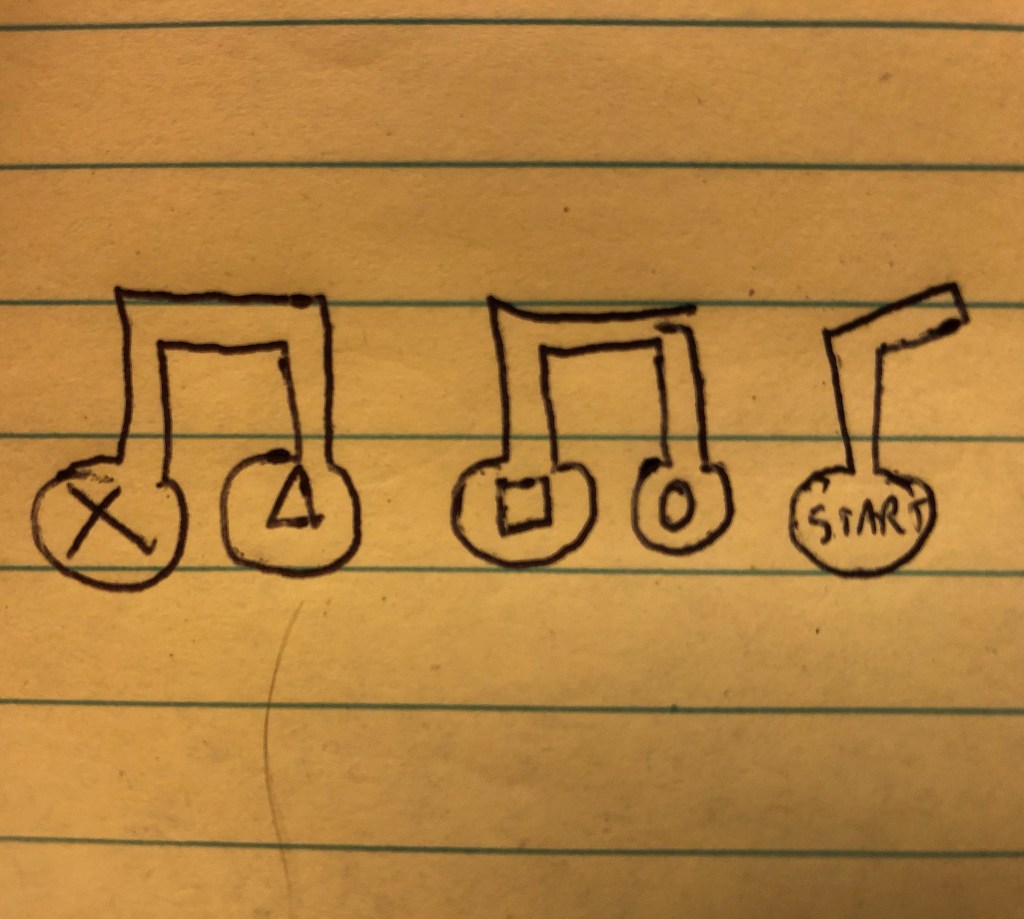
Background music is an underrated yet vitally important tool for painting the mood of a scene. Hollywood directors have known this for nearly a century, and the story-telling mechanic has carried over well to gaming. Video game music is not only a useful tool for carrying a section of gameplay or an important cutscene, but it also has useful real-world applications as well. In fact, it’s a vastly under-appreciated art form.
Background music for video games, much like its counterpart in movies and television, helps to paint a picture for the audience. However, unlike the background music for the two older formats, video game music is designed to also subconsciously blend into the background while allowing the player to focus on the task at hand. That last part is what truly sets background music from games apart; the ability to let you focus on the task at hand. Many talented music theorists, psychologists, game developers and musicians purposefully design their background music to do this extraordinarily well.
Numerous times over my career, I’ve asked colleagues what their favorite video game was during long and thinly-staffed night shifts. When they gave me their answer, I would pull up an extended version of a track from their preferred game on YouTube and played it as we worked. Most of the times, whoever I was working with got a kick out of their favorite games’ soundtrack blaring through the speakers, yet we are all still able to focus on the job that needed to be done. Also, differing types of tracks can elicit different effects. To make a lighter day go by a bit faster, choose a mellower track. When faced with a task that requires your A-game, try using music from boss fights.
In the above example, the game music had served two benefits; it not only allowed work to get done in a slightly higher tempo, but it also had the perk of lightening the mood and hence building a team-like atmosphere. People got a kick out of it, and as that oft-repeated (though oddly never cited?) line on LinkedIn goes; people may forget what you said, but they will always remember how you made them feel. Video game music has also served as a good conversation starter, in the vein of No way, you also like Undertale?!? Which was your favorite route? Just like that, common ground has been formed, and a slightly deeper bond has been formed. In essence, video game music is an easy, free way to boost morale. Let’s try to have some fun at work once in a while.
Video game music is also helpful for solitary work. At one previous job, I spent many long and solitary days inside a ventilated booth. Often, I would have no human interaction at all for those days (which is fine, I have the personality type that’s suited for that, but it’s unsettling for some). The video game music would help move the day along, while I would efficiently perform the same few tasks repeatedly for the entire day. In a way, video game music served as a mental health companion. In this regard, it is very underrated.
One pitfall in using this medium is that it can get stale. So be sure to mix it up after a while; people can-and do-get sick of the same track after some time. It’s best to rotate out tracks. A former colleague of mine would chastise me-albeit in a light way-for frequently DJ’ing Final Fantasy, Kingdom Hearts and Metal Gear Solid tracks. Video game music on the job, much like crops, should be rotated for maximum yield. Besides, sometimes I just roll out of bed thinking Yep, today feels like an Ace Combat day.
Outside of work, the medium has some great uses as well. The medium serves as a great study aid. A mellow track can effectively serve as white noise, much in the same concept as other people use pre-recorded sound effects from nature. However, pick a jarring track (like a battle theme from Kingdom Hearts or an Alert Phase from Metal Gear Solid) and it can create a distracting environment. This is useful in practicing foreign languages; when I didn’t have anyone else to practice speaking with, I would practice my home-made flashcards out loud while playing jarring background music as loud as possible to simulate a chaotic environment. This helped me speak the target language better under duress. In many aspects of life, making the training harder than the real task is often a good move, and video game music can help accomplish that.
Essentially, background music from video games can serve as a useful tool to build a team, motivate people to get a task done, make the day run by faster, tune out the outside and so much more. Thankfully, because very few people currently use the tactic, that means you can start implementing it and claim credit for being a quirky yet team-building mastermind. At the very least, don’t knock until you try it.
 Home Page