
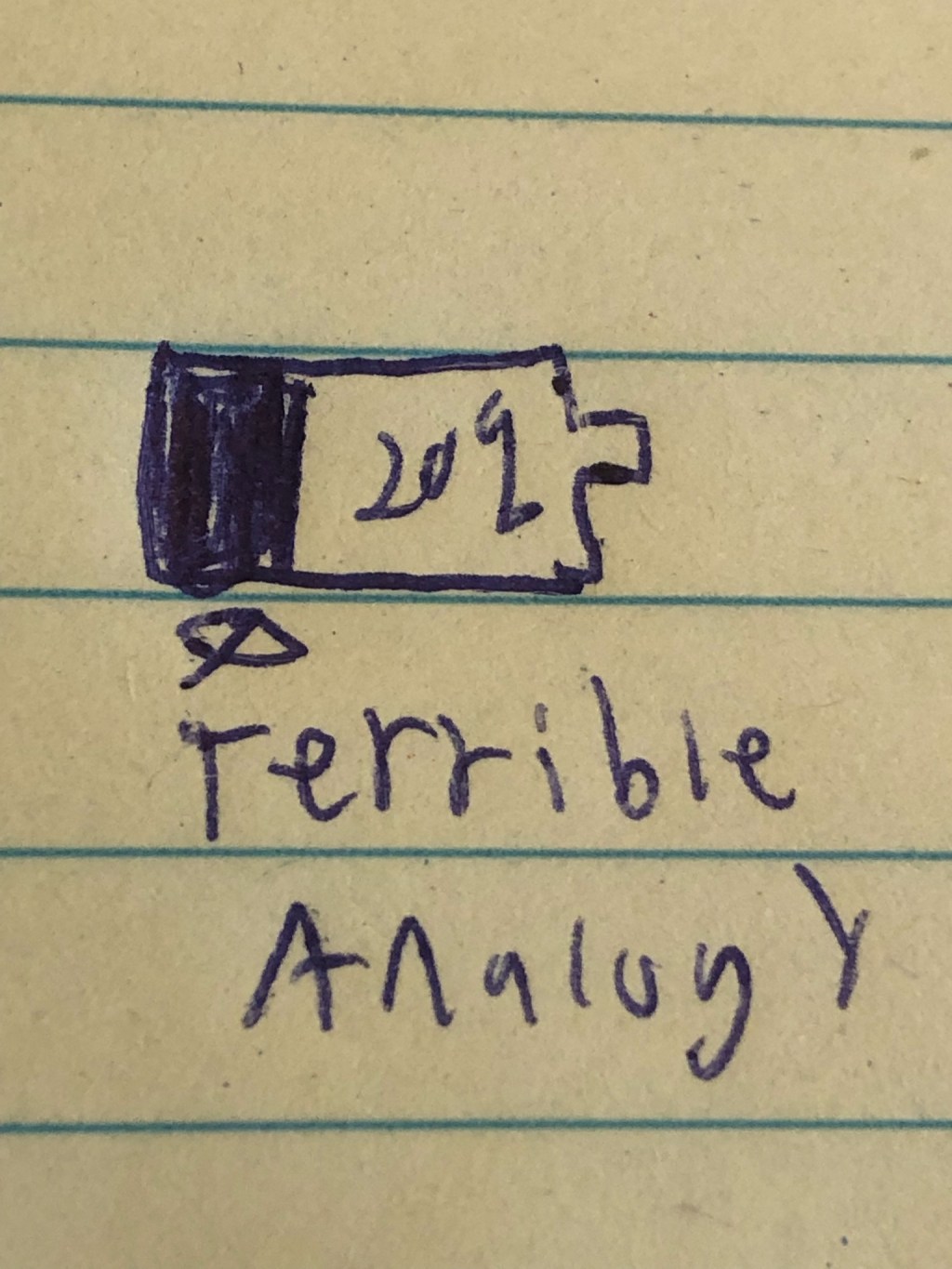
Over the last few years, the public discussion revolving around burnout has turned from a mere whisper to a full-blown conversation, and this is certainly a good thing. This conversation got exponentially louder when the pandemic struck and most of us were working from home constantly. Every so often, we’ll see the same graphic on LinkedIn stating something along the lines of “You’d never let your phone’s battery get down to 20%, so why do you do it to yourself?” While I support the notion that humans eventually burnout and that everyone should prioritize their mental health when we feel over encumbered, there couldn’t exist a worse analogy to send that message home. Comparing humans to batteries is a horrible idea for a few reasons.
Firstly, your phone will operate more-or-less the same regardless of how much battery life remains. Humans on the other hand, will not. Our energy has peaks and valleys throughout the day-this is both normal and okay. Expecting humans to perform exactly like batteries in a smartphone is inherently dehumanizing. The very beginning of this analogy is already toxic because it expects humans to cast aside their variability, and hence their very humanity from the outset. The authors of these memes are likely to be the same leaders of organizations who reduce their employees down to numbers on a spreadsheet or view them as expendable tools in a toolbox. Whenever you see this meme, immediately question the source. “But Dan, that isn’t the intention of the message!” a detractor will surely say, and they are certainly correct, however that caveat was too important to not discuss.
Moving on, the graphic these memes show usually contains a depiction of a battery with roughly 20% of its charge remaining. This is also problematic because it implies that we should stop when we have an entire fifth of our energy reserves left! Humanity would be in a much worse spot if this were universally adopted. We’d have far fewer special forces operators keeping us safe, medical scientists making breakthroughs, firefighters rescuing the stranded, Silicon Valley founders/engineers make our lives better, and so on. After all, they are working hard, and hard work often requires us to smash our heads against the wall and to deplete our glycogen stores in order to make progress or to maintain order. So why stop with 20% of your battery left? You are capable of so much more than that!
While I’m no electrical engineer, I realize that the hardware specifications of even the greatest smartphone will be static, and this is where the analogy breaks down further. Humans are capable of gradually and constantly improving, whether it is physically, mentally, or in some other aspect. True growth occurs when we step outside of our comfort zones. True growth certainly does not exist within the proposed first 80% of our batteries. Push yourself down to the low-single digits of your battery, maybe even down to 4%, and true growth is almost certain to happen. After recharging by eating nutritious food, sleeping, and taking care of your mental health, you’ll be much more capable than you were before. After all, we can remove our limiters, a smartphone’s battery cannot.
As mentioned earlier, the source of these memes can-and absolutely should be called into question. Following today, a closer eye ought to be kept on those who regularly post graphics containing this hollow advice. After all, short-form content is dangerous, and a little more skeptical thought prior to posting would serve society well in the end. The world’s leading anti-meme voice wrote extensively about how memes are uncreative and spread horrible ideas.
You are capable of so much more than your phone’s battery. Go past 20% remaining.
 Home Page