
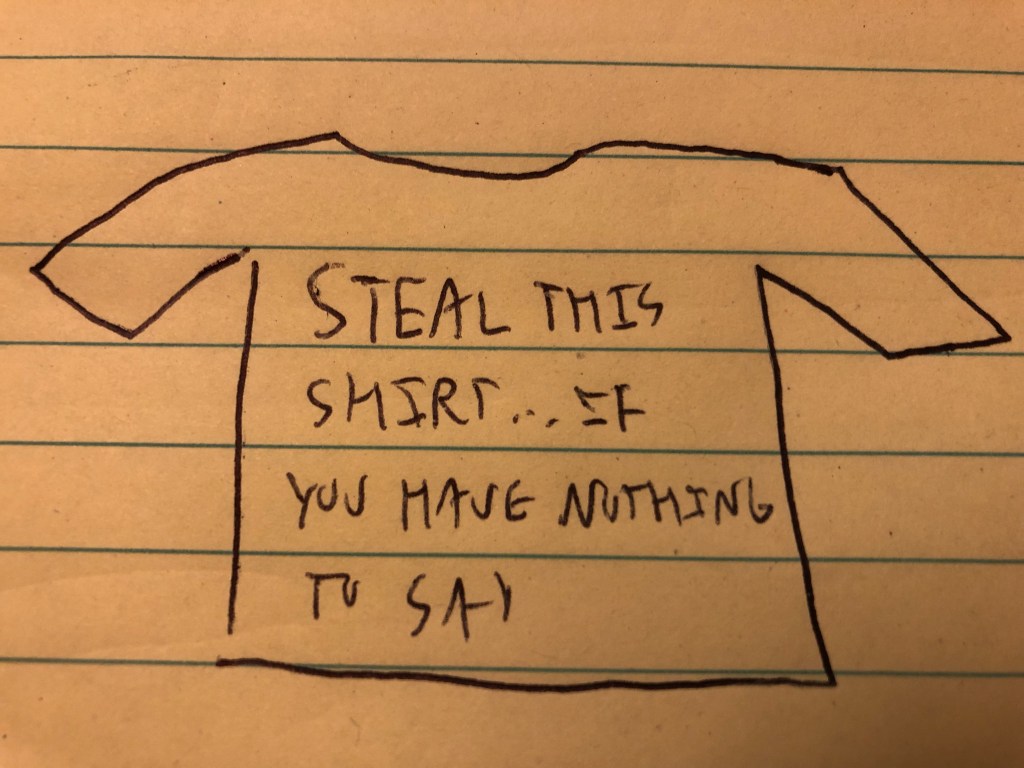
I’ve been an avid user of LinkedIn for years and sadly I’ve grown accustomed to seeing the same posts, infographics and the punchlines come back from the dead every six months. Reporting the posts often wind up with an automated response from LinkedIn stating that the clearly-stolen content doesn’t violate their terms of service. A new tactic is needed; an educational campaign as to why pilfering and posting content you didn’t create reflects poorly on your character.
The lack of creativity shown by those who post the same content every six months is appalling. It’s as if there exists a rite of passage in posting the Employees stay when they are… infographic (an infographic that cites no sources, by the way). It’s time to start having a candid discussion on the creativity level-and hence level of intelligence-of many of these self-proclaimed thought leaders. Do you seriously that uncreative? I’ll be charitable and assume that the poster is truly human and not a bot; many of these self-titled gurus have climbed (or at least, have claimed to climb) to management or even executive levels in their career fields. I find it suspect that someone with that much drive and ability (allegedly) suddenly cannot think of anything original to say. Enter Carlos Mencia, stage left.
We are raised as children with the axiom of If you don’t have anything nice to say, then don’t say anything. However, I feel a paradigm shift is needed; the new phrase ought to be If you don’t have anything original to say, then don’t say anything. This has essentially been the framework that I’ve approached my writing with. I even included that into my pitch to publishers when I finished my book. Glance over my history of articles and my book and you’ll find a thought-process that is difficult to emulate.
Whenever I see the three whole tennis balls versus ten cut-open tennis balls photo on LinkedIn, I don’t see an inspirational management technique at all. Instead, all I can see is a low-effort and copy-paste post from some unoriginal yet smug “coach”. It makes me wonder, if they’ve ever had a unique thought in their lives. If all of these mentors on the platform are stealing from one another and nobody is generating their own creative works, then this leads me to believe that there are millions of drones followers who also lack the ability to think for themselves. It’s as if our nations redditors cut their hair, put on a suit and finally got a job; a redditor in a nice suit is still just a redditor, in all of their thieving ways. Damn it, why is Amy Schumer here?
Such low-brow posting on a supposedly-professional platform also makes me question the posters legal views; do they not respect copyright laws at all? It’s as if everyone who posts the monologue about fitting golf balls, then pebbles, then sand into a jar is okay with such blatant theft. How warped is their sense of morality? What else have they stolen, particularly in the offline world? You are only fooling yourself if you think that those who lie on LinkedIn wouldn’t also lie to investors or interview candidates. Something tells me that these ne’r-do-wells would suddenly not be okay with someone stealing from them (shout out to Immanuel Kant!). Let’s not limit our scorn to just the posters either, those who feed the insatiable algorithm by supplying likes, comments, and other supportive emojis are just as complicit in this criminal-behavior.
In our modern lexicon, the phrase cultural appropriation is thrown around frequently. Personally, I think LinkedIn content thieves are guilty of appropriating productive culture. In the words of our former President Barack Obama, “You didn’t build that!”. It is ethically wrong for thieves to appropriate the culture and the works of those who are earnestly thought leaders in their fields, and they need to be called out for it. As a modern-day society, we would be up-in-arms if the average American wore a Native American headdress, yet we suspiciously fall silent to a bot in a suit career coach on LinkedIn appropriating culture. It’s time we be consistent across the board.
“Well Dan, you’ve certainly made your stance on this issue annoyingly clear. Do you have any solutions?” I’m glad you asked! LinkedIn can step up their content screening efforts, better yet, they can employ the former thieves to police the stream of quotes lifted directly from Brigette Hyacinth’s updates (to clarify, Ms. Hyacinth is truly a thought leader, everyone who plagiarizes her is not). After all, who better to send after the thieves then those with similar thought processes? After all, it’s a tactic frequently used in law enforcement. Upon discovery of stolen content, the offender would have their account hidden and unable to interact until they cooperate with content policing (for no pay, pf course, since that is commensurate with both the value they’ve generated over the years, and the “except for punishment of a crime” clause of the 13th Amendment,). Maybe Javier Bardem wasn’t such a bad guy after all…
“But Dan, that’s exploitative, not to mention flawed since these obvious criminals are unlikely to be true believers in your efforts” Fair point, my kind naysayer, which is why LinkedIn can invest in an AI that screens each graphic or line written and compares it against a reverse-image search on the major search engines, and previous postings on LinkedIn. The AI would flag the post, making the morally awry poster thought leader aware of the violation, with the warning if it happens one more time (I believe in second chances, less so after that), their LinkedIn will be permanently deactivated, and their IP address reported to the authorities. After all, we need to be filling our prisons with pirates.
The AI doesn’t need to be solely punitive. When the AI’s reverse-image search finds the true originator of the content, a genuine Thought Leader tag will be automatically added to their profile. This function will serve the same function as the blue checkmark did during the pre-Elon days of Twitter. After all, let’s start duly crediting people for the work they did. However, this tag can and will be automatically removed upon violation of the two-strike rule I described in the paragraph above. Conferrals, and more importantly, removals of the Thought Leader tag could even be logged on the blockchain. That way, everyone can see what a thief the offender truly is.
 Home Page