
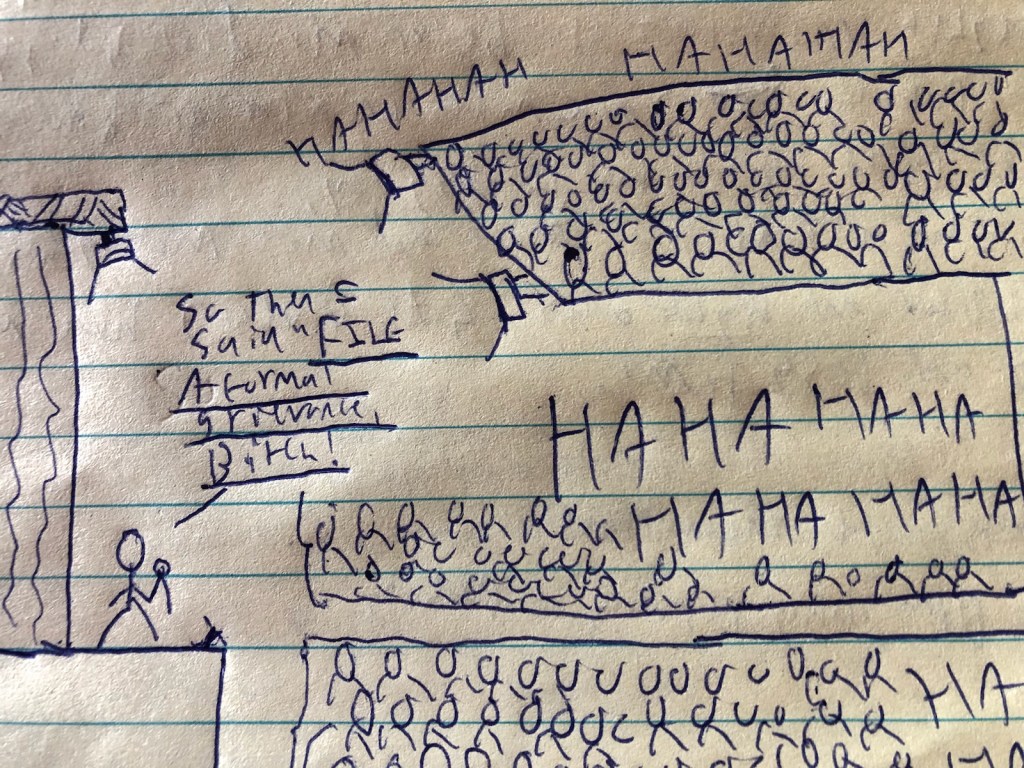
Stand-Up comedy is an artform that is difficult to pull off well. In fact, the pursuit of stand-up comedy breeds a lot of meta-skills into its practitioners, just like science. Those who make a serious attempt at the act of comedy often wind up being better off for it, even if they never make a single person chuckle.
As I discussed in my article about STEM degrees, meta-skills are skills that are drilled into the student through the pursuit of the main objective. One of the meta-skills that stand-up comedy is breeds into those who attempt the craft is mental resilience. Unlike being a comedy writer for a sitcom, there is nowhere to hide or obfuscate on the stage. Comedians can, and frequently do, tell jokes that fail to draw out a single chuckle from the crowd; the silence is deafening. The feedback that the audience gives is ruthlessly honest, public, and instantaneous. The fear of bombing and rejection scares a lot of people away from attempting it in the first place, which isn’t a bad thing either. Those who aren’t hopelessly crushed by the poor performance bounce back just a little bit stronger for their next act.
Mental resilience is also forged in unplanned audience interactions. Attendees often consume alcohol during shows and will occasionally heckle the comedian on-stage. How the comedian handles the interaction can do wonders for winning-or losing– the rest of the audience. Comedians need to develop a legitimate quick thought process and de-escalation skills in order to quell the situation as soon as possible. After all, the rest of the fans in the room paid good money for this show and would hate for it to be ruined by a prolonged back-and-forth with a slobbering loudmouth. The situation needs a speedy resolution, and the heckler cannot be reasoned with. I’m certain this skill comes in handy when dealing with a rude customer or a spoiled child. Dealing with this specific adversity is all in a day’s work for a comedian.
Brevity is yet another meta-skill that comedy reinforces. Unless you’re a household name such as Chris Rock or Bill Burr, the crowd will absolutely not wait for you to endlessly set up a long-winded story to arrive at a punchline. Even then, the greats such as Rock and Burr get only a little more leeway from the crowd. The beginner at the local Open Mic night needs to be concise while providing only the necessary amount of context needed to deliver the punchline successfully. Business meetings would be so much smoother if more executives tried their hand at stand-up.
Charisma is yet another meta-skill that stand-up comedy builds into those who dare to take the stage. Unless you’re already a famous comedian, the crowd will be indifferent to you; you’ll have to win them over. With limited exceptions (looking at you, Anthony Jeselnik), comedians cannot be deadpan and monotone. The tone shifts and inflections that help deliver punchlines with maximum impact are crucial. Being charismatic carries over into many other aspects of life; from major arenas like running for office or running a company all the way to smaller things like striking up a conversation with someone you find attractive.
Creativity, and its logical conclusion, risk-taking are also meta-skills that stand-up comedy drills into aspiring performers. Material has a short shelf-life, and even the greats cannot rely on the same jokes forever. Therefore, constant innovation of new lines is an absolute must for those looking to hone their craft. Not all new material is going to work, and that’s okay. However, resting on your prior laurels will be universally rejected by fans. The willingness to take creative risks carries over well into other career fields, such as music or running one of the world’s greatest tech companies. The comedian needs to be willing to try new things and fail, and therefore the industry filters out people with a fixed mindset; only those with a growth mindset survive the brutal onslaught of comedy.
Stand-up comedy is not only good at building meta-skills in individuals; the art is good for society too. One of the most interesting aspects of stand-up comedy is that it offers a peek into the thought process of another human being. The content that Dave Chappelle or Louis C.K. choose to joke about reveals a lot about how they see the world. Furthermore, the laughter they garner shows that there is a sizable population that agrees with their viewpoints. This bodes even more so for comedians of varying racial, ethnic, and religious backgrounds since it can show audiences the norms and beliefs of another culture. Admittedly, many of Kevin Hart’s jokes fly over my head (and that’s okay!), but this shows that there is seemingly another world out there, one which is both physically close yet unfamiliar to me. When approached in this aspect, stand-up comedy shines a light to customs, thoughts and shared experiences that would otherwise go unnoticed and undiscussed. Therefore, stand-up comedy serves as a great diplomatic tool, a way to foster empathy, and is a great tool form an anthropology standpoint.
Nearly every joke has an underbelly of truth to it, whether we like to admit to it or not. This element of truth is what gives the joke it’s comedic value in the first place. Laughing at a joke about an uncomfortable topic is a common coping mechanism, even during the USSR. Stand-up comedy is also a way of voicing dissent or disagreement with topics that would otherwise be taboo. Many of Andrew Schultz’s bits about relationships are a great example of this.
Society would be better served if more of our business, political, education, and social leaders took the stage on Open Mic night. The skills they would obtain from sticking with stand-up, even as a hobby, would serve all of us well in the long run. For those that wash out after taking the stage only once, the much-needed reality check will serve them well. Even the heckler should give stand-up comedy a try; they’ll quickly learn how difficult it truly is.
 Home Page