
Imagine a world in which your TV viewing experience was an engaging one, from the moment your rear-end hits the sofa, through the pint of ice cream you’d swear you wouldn’t eat in one sitting (but did so anyways), all the way until it’s time for bed (which was supposed to be two hours ago). Next, in this same world, imagine that you had the opportunity to flex on your pseudo-friends at that job you hate your newest piece of tech. Now also imagine a world in which not a single advertising dollar was wasted, where advertising executives got maximum return on their investments. Now, what if I told you that you can have this world, and that all you’d have to do is give me venture capital to make it a reality.
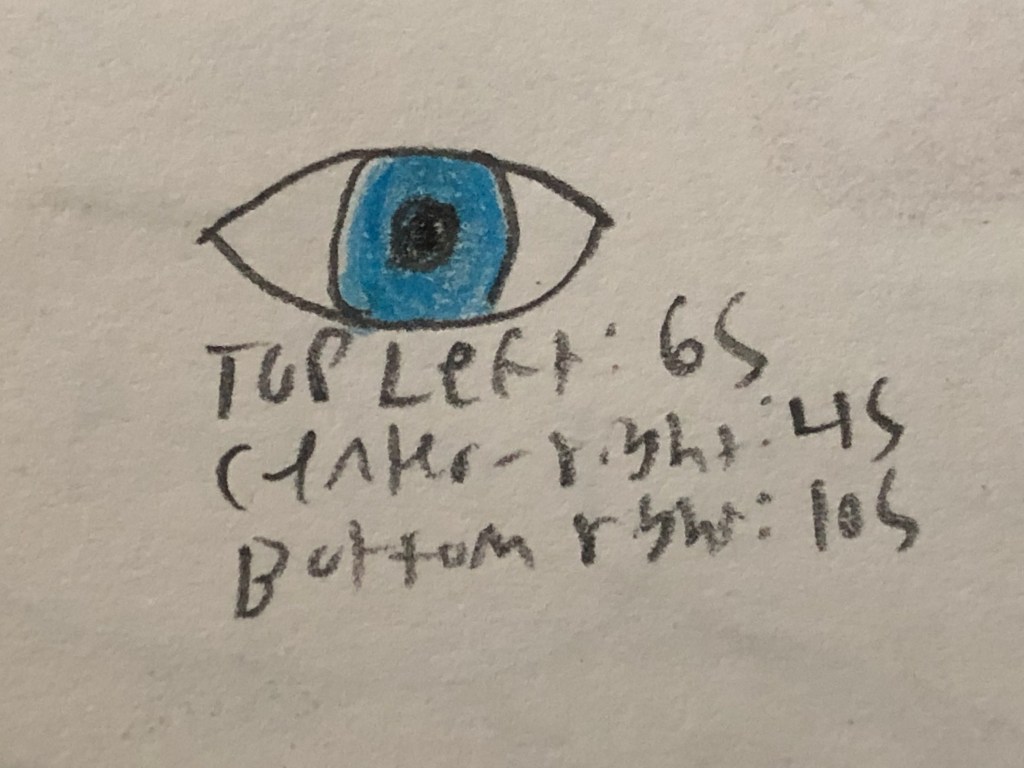
The basis of my idea starts with installing cameras onto the TV’s, however these will have a twist. These cameras will come with retina-tracking technology, meaning that they can detect what the viewers are looking at, as well as when and for how long they are looking at it. Admittedly, I’m using retina data as a proxy for attention but this is the best measurement that we currently have (mind-reading technology doesn’t exist, and I am not giving away FutureSense). Retina-tracking technology already exists, there is nothing stopping us from integrating these two technologies.
Next, the TV needs to be able to transmit this data. However, this will not be too difficult to do as TV’s that connect to Wi-Fi already exist. My retina-TV company will price the TV’s artificially low to attract swarms of new buyers. After all, more data is better data, and we will need to penetrate as many American living rooms as possible. However, the true cash cow will occur on the back end by selling the retina data to various TV networks and advertisers. Only the truly naïve would think that advertisers wouldn’t pay top dollar to see where the retinae of viewers are falling during their commercials.
If Company X is attempting to breach a certain market and is opting for a heavy TV advertising campaign to do so, then they will want to be able to close that feedback loop. After all, except for the current state of sales and social media posts (both of which are lagging indicators, sometimes waiting hours or weeks for feedback), advertisers are often just shooting from the hips. Having retina data regarding if the viewers are intently viewing their ads or if they’re scrolling through their phones during the commercial would be useful feedback to have.
As retina-tracking technology improves, the data will get more specific; they’ll be able to tell what specifically about the ad caught the attention of the viewer. Future advances in retina-tracking technology could also detect whether or not a viewer is looking in the general direction of the TV but is really just zoning out; that would also be good data to have. This would entice advertisers to produce ads that are jarring, so as to snap the viewer back into focus.
Personally, I only use my TV for watching sports now, and hence I mute the TV during commercial breaks. This is because most of the ads do not interest me in the slightest. If advertisers could tell what was catching my attention, that would signal to them what to produce more of. After all, advertisers want to generate a maximum return on investment, and having retina data would enable them to do just that. After all, there isn’t much difference between this idea and what The Man Himself has done with his algorithm, so there is already a cultural precedent set.
Retina tracking would also be active when the TV is hooked up to a gaming console. This data can then be sold to gaming companies. Developers put in a lot of long hours perfectly crafting the systems of their games and want to ensure that players are picking up on what they’re offering. Retina data would serve as a great tool in order to cut out features that are irrelevant to the player and focus more on what players actually care about. In this context, this is a win-win.
The retina data would also be of great use to not only advertisers, but to networks themselves. Having this data would enable producers of television shows, movies, shop-at-home networks, and educational programs to know what is catching the attention of viewers. The result would be much more of what the viewers actually want to see (quite literally) on the screen. Television would become engaging again!
I can already hear the grinding of pitchforks off in the distance, “Dan, this is highly unethical! We will not stand for this invasive privacy practice” a pissed-off reader will say, right after they update their Facebook status. I know, are you laughing yet? We’ve shown time and time again that Americans absolutely will tolerate privacy breaches, so long as it is done by Silicon Valley and not by Drunk Uncle Sam. Marketing the TV will be key in this endeavor, as the early tech adopter will undoubtedly be the most important demographic. The pitch needs to be something along the lines of Hate dumb commercials? Be part of the solution!
Send venture capital today!
 Home Page
